
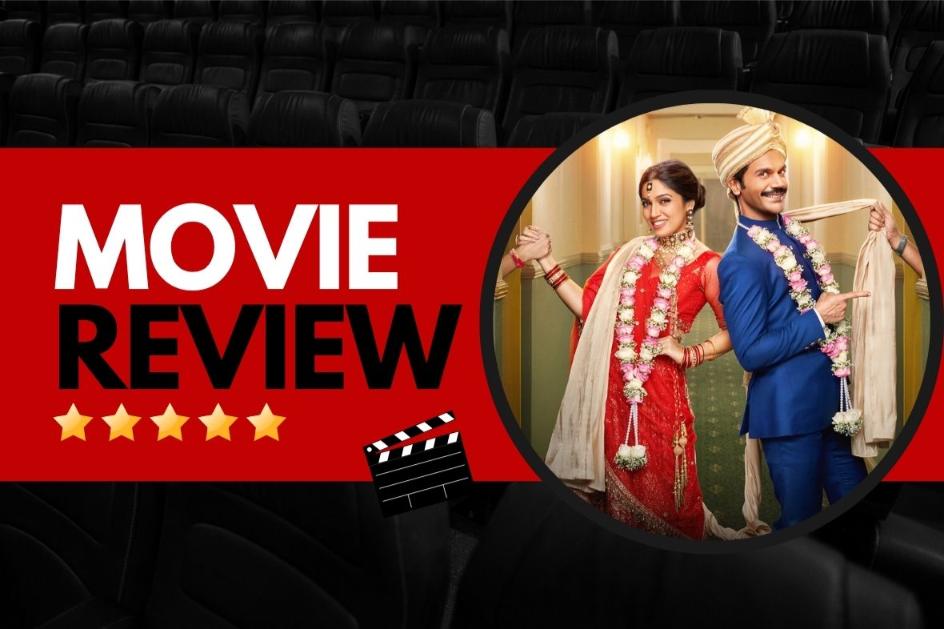
Indian cinema has always had a knack for blending humor with heart, for telling stories that entertain while gently nudging us to think, reflect, and grow. But every so often, a film comes along that does more than nudge—it challenges, provokes, and, most importantly, opens doors. Badhaai Do is one such film.
Directed by Harshavardhan Kulkarni and starring Rajkummar Rao and Bhumi Pednekar, Badhaai Do is not just a comedy or a family entertainer. It’s a courageous, deeply empathetic exploration of queer identities in India, wrapped in the familiar, comforting packaging of a Bollywood dramedy. It’s a film that dares to tackle the taboo, to laugh at the absurdities of societal expectations, and to celebrate the beauty of living one’s truth.
But does Badhaai Do succeed in balancing its message with its entertainment value? Does it do justice to the sensitive issues it raises, or does it get lost in the trappings of commercial cinema? Let’s dive deep into the world of Badhaai Do, exploring every facet of this remarkable film.
Plot Overview: A Marriage of Convenience, a Comedy of Complications
At the heart of Badhaai Do is a premise that’s both simple and revolutionary: a marriage of convenience between two people who are, in their own ways, outsiders in a society obsessed with conformity.
Rajkummar Rao plays Shardul Thakur, a police officer in Dehradun. Outwardly, he’s the ideal son-disciplined, dutiful, and, most importantly, eligible. But Shardul harbors a secret: he’s gay, living in a world where coming out is not just difficult, but dangerous.
Enter Bhumi Pednekar’s Suman Singh, or Sumi, a physical education teacher with dreams of love and independence. Sumi, too, has a secret—she’s a lesbian, navigating the same minefield of expectations, pressures, and fears.
When their paths cross, Shardul and Sumi hatch a plan: they’ll get married, satisfying their families and society, while secretly living their own lives. It’s a classic Bollywood setup, but with a twist that’s as timely as it is bold.
What follows is a comedy of errors, misunderstandings, and unexpected bonds. As Shardul and Sumi juggle their double lives, they’re forced to confront not just their own fears, but the prejudices of those around them. Along the way, they discover that family, love, and acceptance can come from the most unexpected places.
Characters: Real, Relatable, and Remarkably Human
Shardul Thakur (Rajkummar Rao)
Rajkummar Rao is one of Bollywood’s most versatile actors, and his portrayal of Shardul is a masterclass in nuance. Shardul is a man caught between duty and desire, loyalty and longing. Rao brings a quiet vulnerability to the role, capturing the pain of hiding one’s true self behind a mask of machismo.
What makes Shardul so compelling is his ordinariness. He’s not a larger-than-life hero or a tragic figure—he’s just a man trying to survive in a world that doesn’t understand him. Rao’s performance is understated but powerful, making Shardul’s journey both relatable and deeply moving.
Suman Singh (Bhumi Pednekar)
Bhumi Pednekar’s Sumi is a breath of fresh air—a woman who refuses to be defined by anyone else’s expectations. Sumi is strong, stubborn, and fiercely independent, but beneath her bravado lies a deep well of vulnerability.
Pednekar imbues Sumi with warmth and wit, making her both relatable and aspirational. Her chemistry with Rao is electric, and their evolving friendship forms the emotional core of the film.
Supporting Cast
Badhaai Do boasts a stellar supporting cast, each member bringing depth and authenticity to their roles. Chum Darang, as Sumi’s girlfriend Rimjhim, is a standout—her quiet strength and gentle humor add a layer of tenderness to the story.
Sheeba Chaddha, Seema Pahwa, and the rest of the ensemble infuse the film with warmth, humor, and a sense of lived-in reality. They’re not caricatures or comic relief—they’re real people, grappling with real dilemmas.
Comedy: Laughing With, Not At
One of Badhaai Do’s greatest strengths is its humor. The film is genuinely funny, but never at the expense of its characters. The jokes arise naturally from the situations, the misunderstandings, and the absurdities of a society obsessed with appearances.
Whether it’s Shardul and Sumi navigating the pitfalls of their sham marriage or their families trying to make sense of their unconventional lives, the comedy is rooted in empathy. The film never mocks its protagonists—instead, it invites us to laugh with them, to share in their struggles and triumphs.
The humor is sharp, witty, and often subversive, poking fun at everything from nosy neighbors to the rituals of Indian weddings. But beneath the laughter lies a deep well of compassion—a recognition that, sometimes, the only way to survive is to find the humor in the hardest moments.
Direction and Writing: A Delicate Balancing Act
Director Harshavardhan Kulkarni deserves immense credit for steering Badhaai Do with a steady hand. The film walks a tightrope, balancing comedy, drama, and social commentary without ever losing its footing.
The screenplay, co-written by Suman Adhikary and Akshat Ghildial, is sharp, sensitive, and refreshingly honest. The dialogues are crisp, the pacing is brisk, and the narrative never feels preachy or heavy-handed.
Kulkarni’s direction is marked by restraint and respect. He allows the story to breathe, giving his characters space to grow and evolve. The film’s tone is light, but its message is profound—a testament to the power of subtle, empathetic storytelling.
Themes: Identity, Acceptance, and the Meaning of Family
The Struggle for Acceptance
At its core, Badhaai Do is a film about acceptance—of oneself, of others, and of the messy, complicated realities of life. Shardul and Sumi’s journey is one of self-discovery, as they learn to embrace their identities and find the courage to live authentically.
The film doesn’t shy away from the pain and fear that come with being different in a conservative society. It acknowledges the risks, the heartbreak, and the loneliness, but it also celebrates the joy and liberation that come from living one’s truth.
The Complexity of Family
Family is both a source of support and a source of conflict in Badhaai Do. The film explores the ways in which families can both stifle and sustain us, the ways in which love can be both conditional and unconditional.
Shardul and Sumi’s families are not villains—they’re products of their time and culture, struggling to understand a world that’s changing faster than they can keep up. The film treats them with empathy, showing that acceptance is a journey, not a destination.
The Power of Friendship
While Badhaai Do is, on the surface, a story about marriage, at its heart, it’s a story about friendship. Shardul and Sumi’s relationship is the emotional anchor of the film—a bond forged in adversity, strengthened by trust, and defined by mutual respect.
Their friendship is a reminder that family is not just about blood—it’s about the people who stand by us, who see us for who we are, and who love us anyway.
Performances: Heartfelt and Honest
Rajkummar Rao and Bhumi Pednekar are the beating heart of Badhaai Do. Their performances are nuanced, layered, and deeply human. Rao’s Shardul is a study in contradictions—tough yet tender, confident yet insecure. Pednekar’s Sumi is equally complex, balancing strength with vulnerability.
The supporting cast is uniformly excellent. Chum Darang brings a quiet dignity to Rimjhim, while Sheeba Chaddha and Seema Pahwa provide comic relief without ever descending into caricature.
What sets these performances apart is their authenticity. There are no false notes, no melodrama—just real people, struggling to find their place in the world.
Visuals and Production Design: Realism With a Dash of Color
Badhaai Do is set in the picturesque town of Dehradun, and the cinematography captures the beauty and charm of small-town India. The visuals are vibrant but grounded, reflecting the film’s blend of realism and optimism.
The production design is meticulous, from the cluttered homes to the bustling streets. The costumes are equally well-chosen, reflecting the personalities and backgrounds of each character.
The film’s visual style is unpretentious, allowing the story and performances to take center stage.
Music and Soundtrack: Soulful, Subtle, and Uplifting
The soundtrack of Badhaai Do is a delightful mix of peppy tracks and soulful melodies. Songs like “Atak Gaya” and “Hum Thay Seedhe Saadhe” add emotional depth to the narrative, while the background score enhances the film’s playful, heartfelt tone.
The music never overwhelms the story—instead, it complements the mood, underscoring moments of joy, sorrow, and triumph.
Pacing and Structure: A Well-Oiled Machine
Badhaai Do moves at a brisk pace, never lingering too long on any one scene. The narrative is tightly structured, with each subplot and character arc woven seamlessly into the larger story.
The film’s runtime feels just right—long enough to allow for character development and emotional resonance, but never overstaying its welcome.
Social Commentary: Breaking the Silence
Perhaps the most remarkable aspect of Badhaai Do is its willingness to tackle taboo subjects with honesty and humor. The film addresses issues of homophobia, societal pressure, and the challenges of coming out in India, but it does so without resorting to melodrama or didacticism.
Badhaai Do is not just a film about LGBTQ+ issues—it’s a film about the universal desire for acceptance, the courage to be oneself, and the power of love to transcend boundaries.
The film’s message is clear: everyone deserves to live with dignity, to love without fear, and to be accepted for who they are.
Criticisms: Where the Film Falters
No film is perfect, and Badhaai Do is no exception. Some viewers may find the humor a bit broad at times, and certain subplots feel underdeveloped. The resolution, while satisfying, may strike some as a bit too neat, given the complexities of the issues at hand.
There are moments when the film’s desire to entertain clashes with its more serious themes, leading to tonal inconsistencies. Some critics have argued that the film could have delved deeper into the challenges faced by its protagonists, rather than resolving conflicts too easily.
However, these flaws are minor in the context of the film’s overall achievement. Badhaai Do succeeds in sparking a conversation, in opening hearts and minds, and in doing so with warmth, humor, and humanity.
Comparisons: Standing on the Shoulders of Giants
Badhaai Do follows in the footsteps of films like Aligarh, Ek Ladki Ko Dekha Toh Aisa Laga, and Shubh Mangal Zyada Saavdhan—movies that have dared to bring queer stories to mainstream Indian cinema.
What sets Badhaai Do apart is its tone. Where other films have leaned into drama or tragedy, Badhaai Do embraces comedy and optimism. It’s a film that acknowledges the pain of exclusion, but refuses to be defined by it.
In doing so, Badhaai Do carves out a unique space for itself—a film that’s both entertaining and enlightening, both a crowd-pleaser and a conversation-starter.
Cultural Impact: A Step Forward
The release of Badhaai Do was a watershed moment for Indian cinema. The film was widely praised for its sensitive portrayal of LGBTQ+ characters, its humor, and its heart. It sparked conversations about representation, acceptance, and the need for more inclusive storytelling.
For many viewers, Badhaai Do was more than just a movie—it was a lifeline, a validation, a celebration of identities too often pushed to the margins. The film’s success at the box office and its critical acclaim are a testament to the growing appetite for stories that reflect the diversity and complexity of Indian society.
Personal Reflection: Why Badhaai Do Resonates
As someone who has watched Indian cinema evolve over the years, I found Badhaai Do to be both a breath of fresh air and a beacon of hope. The film is a reminder that change is possible, that laughter can be a tool for healing, and that stories have the power to transform hearts and minds.
What struck me most about Badhaai Do was its empathy. The film doesn’t preach or judge—it invites us to walk in the shoes of its characters, to share in their joys and sorrows, and to celebrate their victories, however small.
In a world that can often feel divided and unforgiving, Badhaai Do is a reminder that love, acceptance, and understanding are not just possible—they’re essential.
Final Verdict: Should You Watch Badhaai Do?
If you’re looking for a film that will make you laugh, make you think, and maybe even make you cry, Badhaai Do is a must-watch. It’s a film that entertains without trivializing, that challenges without alienating, and that celebrates the messy, beautiful reality of being human.
Rajkummar Rao and Bhumi Pednekar deliver performances for the ages, the direction is assured, and the writing is sharp, witty, and wise. The film’s message is universal, its humor infectious, and its heart unmistakable.
Badhaai Do is not just a movie—it’s an experience. It’s a celebration of love, friendship, and the courage to be oneself. In a world that too often demands conformity, Badhaai Do is a joyful, defiant reminder that there’s room for everyone at the table.