
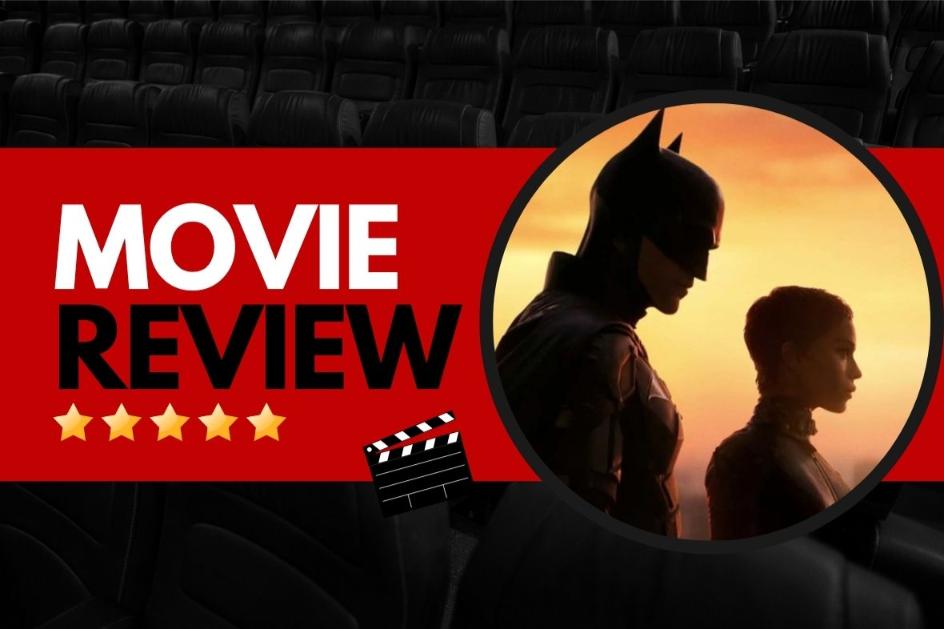
There are few cinematic legacies as enduring as Batman’s. Since his first appearance in Detective Comics #27 in 1939, the Caped Crusader has been a symbol of justice, vengeance, and the eternal struggle between darkness and light. Over the decades, Batman has been reimagined countless times—on the page, on television, and on the big screen. From Adam West’s campy charm to Michael Keaton’s brooding intensity, from Christian Bale’s grounded realism to Ben Affleck’s world-weary gravitas, each iteration has left its mark.
And then, in 2022, came The Batman—a film that promised to peel back the layers of Gotham’s most enigmatic hero and show us something raw, new, and deeply human. Directed by Matt Reeves and starring Robert Pattinson, this version of Batman is less a superhero and more a detective, a vigilante, and, most importantly, a man haunted by his own demons.
But does The Batman live up to the legend? Does it bring something new to the mythos, or is it just another shadow in the ever-growing Bat-cave of cinema? Let’s dive deep—deeper than the Batcave itself—into every aspect of this film, from its plot and performances to its place in the pantheon of superhero movies.
Plot Overview: Gotham’s Longest Night
The Batman opens with a chilling murder. On Halloween night, Gotham’s mayor is brutally killed by a masked figure known only as The Riddler (Paul Dano). The city is already teetering on the edge of chaos—corruption runs rampant, crime festers in every alley, and hope is in short supply.
Enter Bruce Wayne (Robert Pattinson), a reclusive billionaire by day and the masked vigilante known as Batman by night. This is not the polished, experienced Batman of previous films. This is “Year Two” Batman—a man still learning, still bleeding, still driven by a need for vengeance that borders on obsession.
As Batman investigates the Riddler’s cryptic clues, he’s drawn into a labyrinthine conspiracy that connects Gotham’s elite, the criminal underworld, and his own family’s dark secrets. Along the way, he crosses paths with Selina Kyle (Zoë Kravitz), aka Catwoman—a skilled thief with her own vendetta—and faces off against the Penguin (Colin Farrell), Carmine Falcone (John Turturro), and a city that seems determined to devour itself.
The Batman is less a superhero movie and more a neo-noir detective thriller, with Batman as both hunter and hunted in a city that never sleeps.
Characters: Shadows and Light
Bruce Wayne / Batman (Robert Pattinson)
Robert Pattinson’s Batman is unlike any we’ve seen before. Gone is the playboy facade; this Bruce Wayne is a haunted, hollowed-out figure, more comfortable in the shadows than in the daylight. Pattinson plays him with a raw vulnerability—his Batman is angry, driven, and almost feral, but beneath the mask is a man desperate for meaning.
This is a Batman still learning who he is. He’s not invincible; he makes mistakes, takes beatings, and questions whether he’s making any difference. Pattinson’s performance is mesmerizing—a slow burn of rage, grief, and, eventually, hope.
Selina Kyle / Catwoman (Zoë Kravitz)
Zoë Kravitz’s Selina Kyle is a revelation. She’s not just a love interest or a femme fatale; she’s a fully realized character with her own motivations, traumas, and code. Kravitz brings a mix of toughness and vulnerability to the role, and her chemistry with Pattinson crackles with tension and longing.
Selina is a survivor, a woman navigating a world stacked against her. Her relationship with Batman is complex—partnership, rivalry, and something more.
The Riddler (Paul Dano)
Paul Dano’s Riddler is the stuff of nightmares. Inspired by real-world serial killers, this Riddler is a far cry from the campy trickster of previous incarnations. He’s methodical, terrifying, and utterly convinced of his own righteousness. Dano plays him with a chilling intensity, making him one of the most memorable villains in recent memory.
The Riddler’s riddles are not just games—they’re weapons, designed to expose the rot at Gotham’s core and force Batman to confront the city’s—and his own—darkest truths.
Oswald Cobblepot / Penguin (Colin Farrell)
Unrecognizable under layers of prosthetics, Colin Farrell’s Penguin is a scene-stealer. He’s not yet the kingpin of crime, but he’s ambitious, cunning, and deeply entertaining. Farrell brings humor and menace to the role, hinting at the larger role Penguin will play in Gotham’s future.
Carmine Falcone (John Turturro)
John Turturro’s Falcone is the quiet heart of Gotham’s corruption—a man who rules from the shadows, pulling strings and making deals. Turturro plays him with a calm, almost paternal menace, making him a formidable presence without ever raising his voice.
Alfred Pennyworth (Andy Serkis)
Andy Serkis gives us an Alfred who is less a butler and more a surrogate father. Their relationship is strained, but deeply loving. Serkis brings warmth and gravitas to the role, grounding Bruce’s pain in something real and relatable.
Themes: Vengeance, Justice, and Redemption
Vengeance vs. Justice
At its core, The Batman is a meditation on the difference between vengeance and justice. Bruce Wayne begins the film as a man consumed by rage, convinced that fear is the only way to save Gotham. But as the story unfolds, he’s forced to confront the consequences of his actions—how his crusade has inspired not just hope, but more violence.
The film asks hard questions: Can one man really make a difference? Is it enough to punish the guilty, or must we also heal the wounds of the innocent? Batman’s journey is one from vengeance to hope, from darkness to the faintest glimmer of light.
Corruption and the Rot Within
Gotham is a character in its own right—a city drowning in corruption, where the lines between good and evil are blurred. The Riddler’s crusade is, in many ways, a twisted mirror of Batman’s own. Both seek to expose the truth, but their methods—and their morality—are worlds apart.
The film explores how power corrupts, how secrets fester, and how even the noblest intentions can be twisted by pain and anger.
Identity and Legacy
Bruce Wayne is a man defined by loss—of his parents, of his childhood, of his sense of self. The Batman forces him to confront not just the legacy of his family, but the legacy he’s creating as the Dark Knight. Is he a symbol of hope, or just another mask for Gotham’s pain?
This theme is echoed in Selina, who seeks to define herself on her own terms, and in the Riddler, who uses anonymity as both shield and weapon.
Direction and Cinematography: A Noir Masterpiece
Matt Reeves crafts The Batman as a neo-noir detective story, drawing inspiration from classics like Chinatown and Se7en. The film is drenched in rain, shadow, and neon—a Gotham that feels both timeless and eerily contemporary.
Cinematographer Greig Fraser’s work is stunning. Every frame is meticulously composed, from the haunting opening murder to the fiery climax. The use of darkness is masterful—not just as a visual motif, but as a metaphor for the city’s soul.
The action is visceral and grounded. Fights are brutal, messy, and real—Batman isn’t a superhero, he’s a man pushing himself to the edge.
Soundtrack and Sound Design: A Symphony of Shadows
Michael Giacchino’s score is a character in itself. The main Batman theme is a slow, relentless march—ominous, powerful, and unforgettable. The music weaves in and out of the action, heightening tension and emotion without ever overpowering the story.
Sound design is equally impressive. The roar of the Batmobile, the thud of fists in a dark alley, the whispered threats of the Riddler—all combine to create an immersive, unsettling experience.
Pacing and Structure: A Slow-Burn Thriller
The Batman is a long film—nearly three hours—but it earns every minute. The pacing is deliberate, allowing the mystery to unfold organically. Clues are revealed piece by piece, drawing the audience into the investigation alongside Batman.
Some viewers may find the film’s length challenging, especially those expecting a more traditional superhero spectacle. But for those willing to sink into the film’s world, the slow burn pays off in spades.
Action and Set Pieces: Gritty, Grounded, and Gripping
The action in The Batman is a far cry from the CGI-laden battles of other superhero films. Fights are close-quarters, brutal, and messy. Batman takes hits, gets hurt, and keeps going—not because he’s invincible, but because he refuses to quit.
The Batmobile chase is a highlight—a thunderous, rain-soaked pursuit that feels more like a horror movie than an action scene. The finale, set in a flooded Gotham, is both epic and intimate, forcing Batman to become not just a fighter, but a savior.
Visuals and Production Design: Gotham Like Never Before
Gotham City has always been a character in Batman stories, but never more so than here. The city is a blend of old and new—gothic architecture, neon lights, crumbling infrastructure. It feels alive, dangerous, and utterly unique.
The production design is meticulous, from the graffiti-strewn alleys to the opulent decay of Wayne Tower. The Batcave is a far cry from the high-tech lairs of previous films—a repurposed train station, dark and cluttered, more workshop than fortress.
Costume design is equally impressive. Batman’s suit is functional, armored, and clearly handmade. Catwoman’s costume is practical and understated. The Riddler’s look is terrifying in its simplicity—a mask, glasses, and a green parka.
Performances: A Cast at the Top of Their Game
Robert Pattinson delivers a career-defining performance. His Batman is raw, wounded, and utterly compelling. He brings a vulnerability to the role that sets him apart from his predecessors.
Zoë Kravitz is magnetic as Selina Kyle, balancing toughness with heart. Paul Dano is terrifying as the Riddler, his performance oscillating between calm calculation and unhinged mania. Colin Farrell and John Turturro bring depth and nuance to their roles, elevating what could have been stock villains into fully realized characters.
Andy Serkis grounds the film with warmth and wisdom, his Alfred a vital anchor for Bruce.
The Detective Story: Batman, the World’s Greatest Detective
One of the most refreshing aspects of The Batman is its focus on detective work. For too long, Batman has been portrayed as a brawler first and a thinker second. Here, he’s a true detective—analyzing clues, following leads, and piecing together the puzzle.
The film’s mystery is complex and engaging, with twists and turns that keep the audience guessing. The interplay between Batman and the Riddler is a battle of wits as much as of fists.
Relationships: Love, Loss, and Trust
At its heart, The Batman is a story about relationships—between Bruce and Alfred, Batman and Selina, hero and city. These connections are fraught, complicated, and deeply human.
Bruce’s relationship with Alfred is strained by secrets and pain, but ultimately rooted in love. His connection with Selina is electric, a dance of trust and betrayal. Even his adversarial relationship with the Riddler is tinged with a strange kinship—two men shaped by trauma, choosing very different paths.
Social Commentary: Gotham as a Mirror
The Batman is unflinching in its portrayal of a city on the brink. Corruption, inequality, and violence are not just backdrops—they’re central to the story. The film draws clear parallels to real-world issues, from political corruption to the dangers of unchecked power.
But it also offers hope. Batman’s journey is one from vengeance to heroism, from fear to inspiration. In a world that often feels broken, The Batman reminds us that change is possible—even if it comes one small act at a time.
Criticisms: Where the Shadows Fall
No film is perfect, and The Batman is no exception. Its length may test some viewers’ patience, and its relentless darkness can feel overwhelming. The film’s focus on mood and atmosphere means that some action fans may find it slow.
Some critics have noted that the film’s plot, while engaging, relies on familiar noir tropes. The Riddler’s plan, for all its complexity, ultimately boils down to a familiar “corrupt city” narrative.
But these flaws are, in many ways, part of the film’s charm. The Batman is not trying to be everything to everyone. It’s a bold, uncompromising vision that stays true to its tone and themes.
Comparisons: The Batman and His Predecessors
How does The Batman stack up against previous iterations? In many ways, it’s the most grounded, character-driven Batman film to date. Christopher Nolan’s Dark Knight trilogy brought realism and gravitas, but The Batman goes even further, stripping away the myth to reveal the man.
Tim Burton’s films were gothic fairy tales; Joel Schumacher’s were neon fever dreams; Zack Snyder’s were operatic epics. Matt Reeves’ The Batman is a detective story—a film that’s as much about solving mysteries as it is about punching bad guys.
Pattinson’s Batman is more vulnerable than Bale’s, more haunted than Keaton’s, and more human than Affleck’s. He’s a work in progress, a man still figuring out what kind of hero he wants to be.
Cultural Impact: A New Era for the Dark Knight
The Batman arrived at a time when superhero fatigue was setting in. Audiences had seen it all—aliens, gods, multiverses. What The Batman offered was something different: a return to basics, a focus on character, mood, and story.
The film was a critical and commercial success, praised for its performances, direction, and bold vision. It sparked renewed interest in Batman’s detective roots and set the stage for a new era of Bat-stories—on film, on television, and beyond.
Personal Reflection: Why The Batman Resonates
As a lifelong Batman fan, I approached The Batman with both excitement and trepidation. Would it bring something new to the table, or would it be just another retread? What I found was a film that honored the legacy of Batman while forging its own path.
The Batman is not just a superhero movie—it’s a meditation on pain, loss, and the search for meaning. It’s about the masks we wear, the secrets we keep, and the choices we make in the face of darkness.
What resonates most is the film’s humanity. This Batman is not a god or a legend—he’s a man, broken and bleeding, trying to make sense of a world that doesn’t make sense. In that struggle, there’s something deeply relatable, even inspiring.
The Legacy of The Batman: What Comes Next?
The Batman is not the end of the story—it’s the beginning. The film sets up a world rich with possibilities, from the rise of the Penguin to the emergence of new villains. The Gotham it creates is one that feels alive, dangerous, and full of stories waiting to be told.
Spin-offs and sequels are already in the works, and it’s clear that this version of Batman will leave a lasting mark on the character’s cinematic history.
Final Verdict: Should You Watch The Batman?
If you’re looking for a superhero spectacle, The Batman may surprise you. It’s darker, slower, and more introspective than most comic book films. But if you’re willing to embrace its noir sensibility, its focus on character and mystery, you’ll find a film that’s as rewarding as it is haunting.
Robert Pattinson delivers a Batman for the ages—vulnerable, driven, and deeply human. The supporting cast is stellar, the direction is masterful, and the story is both timely and timeless.
The Batman is not just a movie—it’s an experience. It’s a journey into the heart of darkness, and a reminder that even in the shadows, hope can be found.